

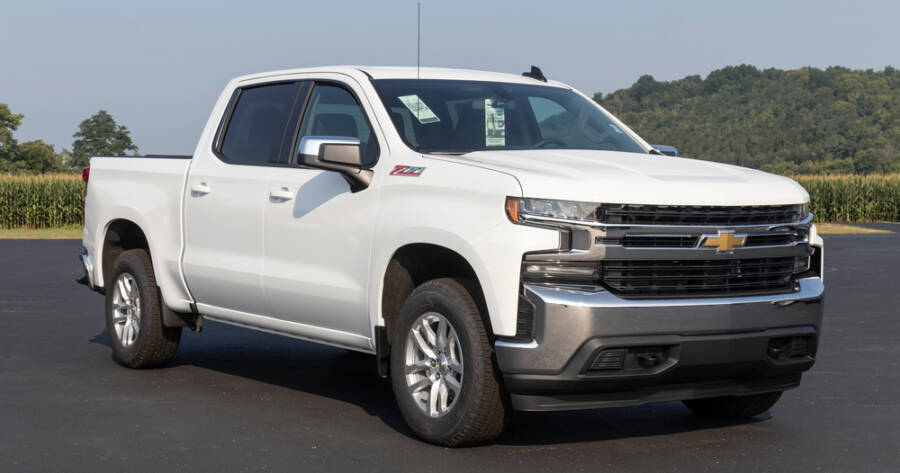
Full-size pickup trucks, particularly light-duty models, have become essential in the American automotive scene, offering a blend of power, efficiency, and versatility. Top vehicles cater to both personal and light commercial needs, providing impressive towing and payload capacities. Understand the key features and benefits of light-duty trucks as well as why they are a practical choice for many consumers.
Understanding Full-Size Pickup Truck Features
Full-size pickup trucks, particularly light-duty models, have become a staple in the American automotive landscape. These vehicles are designed to offer a balance of power, efficiency, and versatility, making them suitable for a wide range of tasks.
Light-duty trucks, such as the Chevrolet Silverado 1500 and the Ford F-150, are classified under Classes 1-3 based on their Gross Vehicle Weight Rating (GVWR), which is up to 8,500 pounds (source). These trucks are designed for individuals or light commercial users with modest needs, offering a payload capacity of about 3,000 pounds and a towing capacity of 12,000 to 14,000 pounds.
Key Features of Light-Duty Pickup Trucks
Light-duty trucks are known for their versatility and practicality. They are equipped with durable engines and muscular designs, ensuring they are not lacking in performance for typical residential and light commercial tasks (source). For instance, the Chevrolet Silverado 1500 offers multiple engine options, including the 6.2L EcoTec3 V8 with 420 horsepower and 460 lb-ft of torque, and a maximum towing capacity of up to 13,300 pounds with the Max Trailering Package (source). This makes them suitable for towing trailers and boats, as well as hauling furniture or construction supplies.
In addition to power, these trucks are designed with efficiency in mind. The Silverado 1500, for example, achieves 33 mpg on the highway with the Duramax engine, making it a cost-effective choice for those prioritizing fuel economy (source). Their smaller size compared to heavy-duty trucks also contributes to better maneuverability, making them ideal for urban environments where parking and navigating narrow roads can be challenging.
Comparing Light-Duty and Heavy-Duty Trucks
While light-duty trucks are sufficient for most everyday tasks, heavy-duty trucks offer superior towing capacities and payload capabilities. For example, the Silverado 3500HD can tow up to 36,000 pounds, making it suitable for commercial settings and heavy-duty tasks (source). However, heavy-duty trucks are less maneuverable and efficient compared to their light-duty counterparts. This makes light-duty trucks a more practical choice for the average consumer who does not require the extra power and capacity of a heavy-duty truck.
In terms of cost, light-duty trucks are generally less expensive than heavy-duty trucks due to their smaller size and lesser capabilities. This makes them an attractive option for budget-conscious buyers who do not require the extra power and capacity of a heavy-duty truck (source).
Why You Should Learn More About Full-Size Pickup Truck Features Today
Understanding the features and capabilities of full-size pickup trucks can help consumers make informed decisions when purchasing a vehicle. Light-duty trucks offer a balance of power, efficiency, and versatility, making them suitable for a wide range of tasks.
Whether for personal use or light commercial purposes, these trucks provide the necessary capabilities without the added cost and complexity of heavy-duty models. By exploring the various options available, consumers can find a truck that meets their specific needs and preferences, ensuring a satisfying and practical investment.