

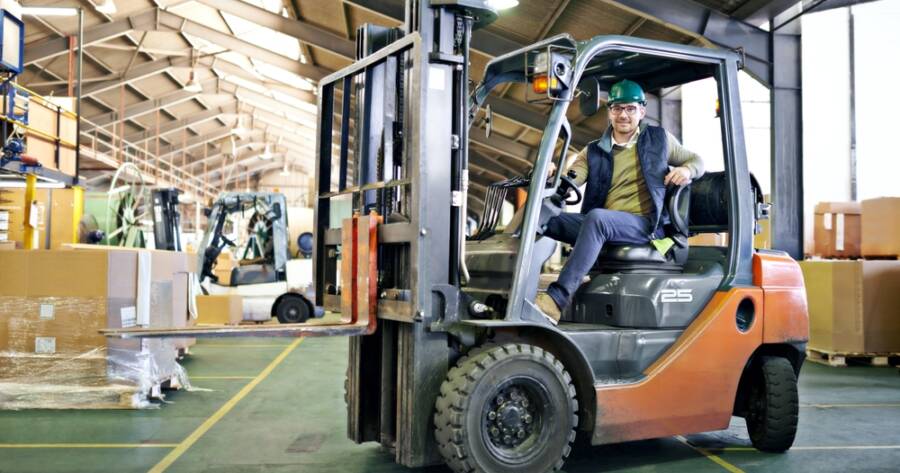
Forklifts are pivotal in material handling, enhancing productivity and safety across industries like warehousing, construction, and retail. From diverse types tailored for specific tasks to technological advancements boosting efficiency, forklifts streamline operations and reduce manual labor. Understand how key machines transform workplaces and the importance of staying informed about their evolving role.
The Role of Forklifts in Material Handling
Forklifts are indispensable in the realm of material handling, playing a crucial role across various industries such as warehousing, construction, and manufacturing. These machines enhance productivity by swiftly moving heavy loads, thereby reducing manual labor and minimizing workplace injuries.
In warehouses and distribution centers, forklifts are primarily used for pallet handling, inventory stocking, and unloading shipments, which streamlines storage efficiency and reduces product damage and worker injuries (source).
Types of Forklifts and Their Applications
Different types of forklifts are designed to meet specific operational needs (source). Counterbalance forklifts, for instance, are versatile for both indoor and outdoor use, ideal for loading trucks and moving pallets over short distances.
Reach truck forklifts are designed for high stacking and narrow aisles, making them suitable for distribution centers with limited space. Pallet jacks, or pallet trucks, are basic forklifts used for short-distance pallet transport, with electric versions favored in larger operations for their speed and efficiency.
Forklifts in Various Industries
In the construction industry, robust forklifts are used to lift materials to higher levels, such as roofing beams and bricks, reducing the need for manual labor and enhancing site safety by preventing worker overexertion.
The retail industry also heavily relies on forklifts due to the rise of online shopping, using them for tasks like unloading shipments, organizing inventory, and moving bulk goods within distribution centers. Operator training is essential due to the proximity to shelving and other personnel (source).
Safety and Efficiency in Forklift Operations
Forklifts significantly contribute to workplace safety by handling hazardous materials and reducing the risk of accidents. Modern forklifts come with advanced safety features tailored to specific work environments.
Despite their initial cost, forklifts reduce long-term operational expenses by minimizing the need for manual labor and increasing efficiency in freight processes. This makes them a valuable investment for any business involved in warehousing and freight operations (source).
Technological Advancements in Forklifts
Technological advancements have led to the development of electric forklifts, which are increasingly popular due to their environmental benefits and quiet operation. These forklifts are suitable for indoor settings where emissions and noise are concerns.
Additionally, various forklift attachments can improve efficiency in specific industries, such as single-doubles for handling multiple pallets and push-pull attachments for using slip sheets instead of pallets (source).
Why You Should Learn More About Material Handling
Understanding the role of forklifts in material handling is essential for businesses aiming to enhance their operational efficiency and safety. As industries continue to evolve, the demand for skilled forklift operators and advanced machinery will only increase.
By staying informed about the latest developments and best practices in forklift operations, businesses can ensure they remain competitive and compliant with safety regulations. Investing in the right forklift technology and training can lead to significant improvements in productivity and workplace safety, making it a worthwhile consideration for any organization involved in material handling.