

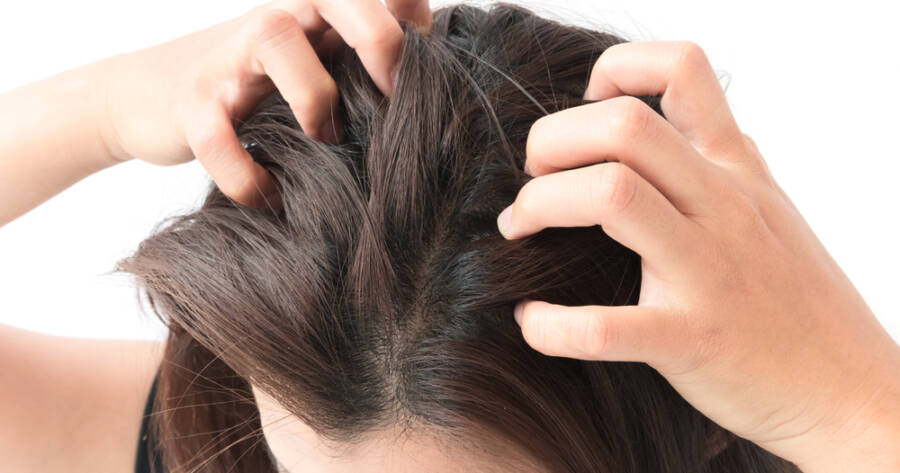
Hair and scalp health are deeply intertwined, influencing not only physical appearance but also psychological well-being. From the biological processes within hair follicles to the impact of environmental and psychological factors, understanding this connection is vital. As the scalp care market expands and innovative treatments emerge, understanding the developments offers valuable insights for enhancing hair care routines and overall health.
The Interconnection of Hair and Scalp Health
Hair and scalp health are intricately linked, with the hair growth process beginning deep within the hair follicle. This process involves cell proliferation in the follicle bulb, leading to the formation of a nascent hair fiber that undergoes keratinization as it grows to the scalp surface (source). The hair follicle experiences cycles of growth, regression, and quiescence, and is sensitive to various factors such as growth factors, cytokines, neuropeptides, and hormones. These factors underscore the importance of maintaining both scalp and hair follicle health for optimal hair care.
Scalp health can be influenced by several factors, including hair follicle health, inflammatory conditions, environmental factors, and the scalp microbiome. Inflammatory conditions like psoriasis, dandruff, and fungal infections have been extensively studied for their negative impact on hair growth (source). Additionally, exogenous factors such as chemotherapy, smoking, UV radiation, and chemical insults from hair products can adversely affect hair growth (source, source). Psychological and physical stressors also impact the hair growth cycle, further emphasizing the complex interplay between various factors affecting hair and scalp health (source).
The Psychological Impact of Hair and Scalp Health
Recent research has developed the Hair & Scalp CARE instrument, which assesses the psychological impacts of hair and scalp health. This tool links healthier hair and scalp to lower perceived stress and improved sleep quality, providing insights into the psychological benefits of good hair and scalp health (source). The study involved a diverse group of participants and found a significant association between better hair and scalp wellbeing and lower stress levels and better sleep health.
The research highlighted that a large percentage of both women and men reported concerns about hair or scalp conditions, which were linked to lower Hair & Scalp CARE scores, indicating a negative impact on emotional well-being. This underscores the importance of addressing hair and scalp health for mental well-being. The study’s findings suggest that the Hair & Scalp CARE instrument can aid future research in understanding consumer experiences and the potential impact of consumer products on alleviating symptoms and improving self-confidence (source).
The Growing Scalp Care Market
The scalp care market is experiencing significant growth, projected to reach $20.79 billion by 2030 (source). This growth is driven by an increasing recognition of scalp health as integral to overall hair health, prompting both beauty giants and indie brands to invest in clinically tested products that address scalp microbiome health, sebum regulation, and personalized care. The science of scalp care is rooted in dermatology, with a focus on the scalp microbiome, which consists of bacteria and fungi that maintain a healthy environment for hair growth.
Clinical validation is becoming essential for scalp care products, particularly those promising therapeutic benefits. Brands are investing heavily in clinical testing to prove the efficacy of their products, creating a high barrier to entry for newer brands and meeting consumer expectations for transparency and effectiveness. The demand for scalp care products is also influenced by the growing textured hair customer base, with a focus on products that hydrate, maintain pH balance, and reduce buildup without being overly harsh (source).
Innovative Treatments for Hair Growth
Red light therapy has gained popularity for its potential in hair growth and skin rejuvenation. The therapy works through a process called photobiomodulation, where light alters biological processes, and has been shown to stimulate hair follicle growth and increase collagen production in the skin (source). Research dating back to the 1960s has demonstrated red light’s ability to promote hair growth, with studies in both mice and humans supporting these findings.
The mechanism behind red light therapy’s effectiveness in hair growth involves vasodilation, which increases blood flow and nutrient delivery to hair follicles. This process is similar to how topical treatments like minoxidil work, and consistent use over several months can lead to noticeable hair regrowth. However, the effectiveness of red light therapy can vary, and consulting a dermatologist is recommended to understand the therapy’s potential and limitations (source).
Why You Should Learn More About Hair Health Research Today
Understanding the intricate relationship between hair and scalp health is crucial for maintaining not only physical appearance but also psychological well-being. The growing scalp care market and innovative treatments like red light therapy highlight the importance of ongoing research in this field.
By staying informed about the latest developments in hair health research, individuals can make better choices for their hair care routines and overall health. As the industry continues to evolve, it offers exciting opportunities for both consumers and brands to explore new solutions for hair and scalp health.